Share this Article:
When Jesus warned about an “unforgivable sin,” His words carried a weight that still unsettles people today: “whoever blasphemes against the Holy Spirit never has forgiveness” (Mark 3:29, ESV).
Hearing the phrase blasphemy against the Holy Spirit often raises anxious questions. Like, have I done this? Am I beyond God’s forgiveness? That fear is understandable. The thought of a sin that cannot be forgiven can feel like standing on the edge of a cliff with no way back.
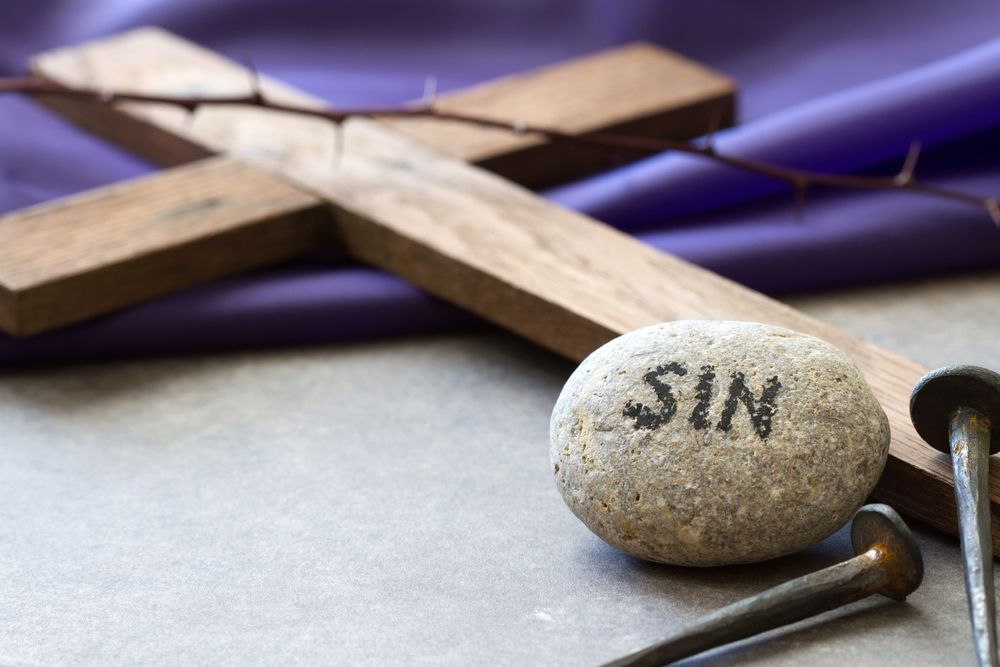
But Jesus’ warning was never meant to trap sincere believers in fear. The following view here is generally associated with the Reformers, yet is not the only view in evangelical Christianity. Maybe begin here saying, As the Reformers taught,the unforgivable sin is not a careless word, a passing doubt, or even a season of wandering. It is a deliberate and hardened rejection of the Spirit’s testimony about who Jesus is.
That’s why feeling concerned about your relationship with God can actually be a meaningful sign. When a person wrestles with the fear of losing God, it often reflects a heart that still desires to be near Him. In Scripture, the people Jesus warned most strongly were not those asking hard questions, but those who showed no openness to Him at all. So if you’re wrestling, seeking, or even just wondering, that may be evidence that your heart is still sensitive to God’s voice.
Why People Worry About the Unforgivable Sin
The Fear That Lingers
The unforgivable sin carries a name that sounds final. For centuries, Christians have wondered if a harsh statement, a dark thought, or even a season of doubt might put them beyond God’s mercy.
That question weighs heavily because none of us wants to miss God’s mercy. However, if you’re asking these questions, it’s likely a sign of a heart that still longs for God. And that longing is evidence that His Spirit is still at work in you.
Jesus’ Warning in Context
In Mark 3, Jesus had just healed the sick and set people free from spiritual oppression. Instead of celebrating God’s work, the religious leaders accused Him of being empowered by Satan. Jesus pointed out how absurd that was, and then warned that to call the Spirit’s work in Him “evil” was a path of dangerous hardness.
Jesus wasn’t addressing everyday doubts, careless words, or struggles with faith. He was confronting leaders who had seen the light and still insisted it was darkness. His warning is serious and meant to caution those determined to shut their hearts against God’s Spirit, even after having witnessed God’s power firsthand.
What Does the Bible Say About Blasphemy Against the Holy Spirit?
The Pharisees’ Rejection of Jesus and the Work of the Spirit
The religious leaders had seen what Jesus did, but they refused to acknowledge it as God’s work. Instead, they called good “evil” (Isaiah 5:20). This wasn’t an impulsive mistake; it was a conscious, repeated decision to reject the Spirit’s clear witness to Jesus.
What Makes This Sin Different From Other Sins?
All
forgiveness comes through Jesus Christ, applied by the Spirit (Titus 3:5–7). If someone permanently rejects the Spirit’s testimony about Christ, they are rejecting the only source of grace. That’s why Jesus calls it “unforgivable,” not because God is unwilling to pardon, but because the heart that slams the door on the Spirit will not turn and receive His mercy.
Can Someone Commit the Unforgivable Sin Today?
Yes, but not by accident. The unforgivable sin isn’t a fleeting thought or a word spoken in anger. It is a final, willful rejection of Christ, even after knowing the truth.
Scripture shows us the difference through people like Peter, who denied Jesus but was restored (Luke 22:61–62; John 21:15–19), and Paul, who once described himself as a “blasphemer” but received mercy because he had acted in ignorance (1 Timothy 1:13–16). Their stories remind us that sin, even serious sin, is not unforgivable when the
heart turns back to Christ.
“I was a blasphemer, persecutor, and insolent opponent. But I received mercy because I had acted ignorantly in unbelief, and the grace of our Lord overflowed for me with the faith and love that are in Christ Jesus. The saying is trustworthy and deserving of full acceptance, that Christ Jesus came into the world to save sinners, of whom I am the foremost.”
1 Timothy 1:13-16
How to Know If You’ve Committed the Unforgivable Sin
If you are troubled by the thought, that concern is itself likely strong evidence you have not. A heart that fears losing God is not the same as a heart hardened in resistance against Him.
Two simple questions can bring clarity:
- Do you desire Christ? A longing to turn to Him shows the Spirit is at work (John 6:44).
- Are you softening, not hardening? Scripture says, “Today, if you hear his voice, do not harden your hearts” (Hebrews 3:7-8). A tender conscience points in the opposite direction of rejection.
How to Respond to Jesus and the Holy Spirit Today
The safest response to Jesus’ words is not fear, but faith. Here’s what that looks like:
- Listen to the Spirit’s witness
- The Spirit always points us to Jesus (John 15:26)
- Turn to Christ in prayer
- Be honest about your fears
- Trust His promise of forgiveness (Rom. 10:9–13)
- Open Scripture
- Read Mark 3 alongside John 3 and Ephesians 2 to see God’s rescue in full
- Connect with others
- God designed us to grow together. At The Orchard, LIFE Groups are a place to dig roots deep in Christ.
- Keep short accounts with God
- Confess sin quickly and walk forward in His grace (1 John 1:9)
Grow in Faith with The Orchard
When we hear Jesus speak about an unforgivable sin, it can stir a deep fear that maybe God’s mercy has limits and that we could be left outside of it. But the story of the Bible reminds us that God’s heart is wide open to anyone who will turn and trust Him. Peter denied Jesus and found forgiveness. Paul once opposed the gospel and discovered mercy. Over and over, God shows us that His grace runs deeper than our failures.
That is the invitation in front of us today. The Spirit points us to Jesus so that we might find peace, not fear. If your heart longs for Him, that longing is evidence of His work in you.
At The Orchard, we love walking alongside people who are asking these very questions and learning to follow Jesus together.
You are welcome here, whether you are ready to take a first step of faith or you simply want to listen and learn more.
Come join us and discover that this truly is
a place to grow in faith, in hope, and in love through Jesus Christ.
Pastor Brad Wetherell - Arlington Heights
Connect with Us: